
Financial institutions have always been attractive targets for cybercriminals, but the risks they face have changed significantly over the last few years. Attackers are no longer relying on broad, unsophisticated attacks. Many are studying how financial organizations operate, identifying gaps in third-party systems, cloud platforms, employee access controls, and customer communication channels.
For financial institutions, the challenge isn’t just the volume of threats. It is the growing complexity of the environments being protected.
According to the World Economic Forum’s Global Cybersecurity Outlook 2025, 72% of organizations reported an increase in cyber risks, with financial stability among the major concerns associated with modern cyber threats.
Here are some of the most significant cybersecurity vulnerabilities affecting financial institutions today and why they continue to create concern across the industry.
1. Third-Party and Supply Chain Exposure
Many financial institutions rely on outside vendors for payment processing, cloud storage, customer communication tools, compliance platforms, and software integrations. While these partnerships support growth and flexibility, they also expand the number of entry points attackers can target.
A financial institution may maintain strong internal protections but still face risk through a vendor with weaker controls or delayed patching practices. Several recent breaches in the financial sector have originated from trusted third parties rather than direct attacks on the institution itself.
This has prompted many organizations to take a closer look at vendor oversight, access permissions, and the way external platforms connect to sensitive systems.
2. Credential Theft and Account Takeovers
Stolen usernames and passwords remain one of the most common causes of financial sector breaches. Attackers often obtain credentials through phishing emails, fake login pages, password reuse, or malware targeting employees and customers.
The concern extends beyond employee accounts. Customer account takeovers continue to rise, particularly as online banking and digital financial services become more common.
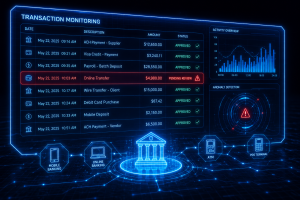
Once attackers gain access to a legitimate account, fraudulent activity can appear normal at first glance. That creates challenges for detection and response, especially for organizations managing large volumes of transactions daily.
3. API and Cloud Security Gaps
Financial institutions increasingly rely on APIs to connect banking systems, mobile apps, payment tools, and customer portals. These integrations improve accessibility and service delivery, but poorly secured APIs can expose sensitive financial data if authentication and monitoring are not carefully managed.
Cloud adoption has also introduced new security considerations. Misconfigured storage environments, excessive user permissions, and incomplete visibility across cloud platforms continue to contribute to breaches throughout the financial sector.
Many organizations are now reevaluating how cloud security responsibilities are shared between providers and internal teams.
4. Ransomware and Business Disruption
Ransomware attacks have become more disruptive and financially damaging for institutions handling time-sensitive transactions and confidential customer data.
Beyond encrypting files, many ransomware groups now steal information before locking systems. This creates additional pressure tied to regulatory reporting, reputational damage, and potential data exposure.
For financial institutions serving SMBs, even short periods of downtime can impact payroll processing, lending operations, payment approvals, and customer trust.
5. Social Engineering and AI-Driven Fraud
Cybercriminals are becoming more convincing in their impersonation of executives, vendors, and financial representatives. AI-generated content, voice cloning, and highly personalized phishing campaigns are making fraudulent communications more difficult to detect.
These attacks often succeed not because systems fail, but because attackers exploit trust and familiarity.
As communication channels continue to expand across email, messaging platforms, and mobile devices, financial institutions are placing greater attention on authentication practices, employee awareness, and transaction verification processes.
Why This Matters for Financial Institutions
Cybersecurity within financial services is no longer limited to protecting a network perimeter. The conversation now includes cloud environments, customer behavior, third-party relationships, and rapidly evolving attack methods.
For financial institutions, understanding where vulnerabilities exist is an important part of maintaining client confidence and supporting long-term stability.
At Obviam, we help financial organizations strengthen cybersecurity strategies while supporting compliance, risk management, and secure growth in an increasingly connected environment. Learn more at www.obviam.com